Cocktails 101: How to Make Cocktails at Home
On this page
Making cocktails at home is simpler than it looks. You do not need a full bar setup or expensive tools to start. A few base spirits, fresh citrus, basic mixers, and a simple understanding of how drinks are built are enough for most beginner cocktails.
This guide covers what to buy first, which mixers are worth keeping, how to make simple drinks without a recipe, and how to garnish properly. It also explains when ready-to-drink cocktails make more sense than mixing every drink from scratch.
What Spirits Should You Buy First for a Home Bar?
Start with four bottles: white rum, vodka, gin, and whiskey. These cover a wide range of classic cocktails and give you enough variety without crowding your shelf.
You do not need premium bottles at the beginning. Choose mid-shelf spirits that taste good enough to drink on their own but are still affordable for mixing.
Here is what each bottle is useful for:
White rum: Works well in Daiquiris, Mojitos, Cuba Libres, and tropical-style drinks. It is clean, easy to mix, and one of the most useful spirits for summer cocktails.
Vodka: A neutral base for simple drinks like vodka soda, Moscow Mule, and Espresso Martini.
Gin: Best for Gin and Tonic, Tom Collins, Negroni, and other crisp, botanical drinks.
Whiskey: Useful for Whiskey Sour, Old Fashioned, whiskey ginger, and other spirit-forward drinks.
The best approach is to build slowly. Start with the spirits you and your guests actually enjoy. Add new bottles only when you know what kind of drinks you want to make.
If you prefer rum-based drinks, white rum is a strong first choice. It is easy to mix, works with citrus, fruit, cola, soda, and mint, and gives you several simple cocktail options from one bottle.
The Mixers and Staples Worth Keeping
Once you have the spirits, you need a few reliable mixers and basic ingredients. These are the items that make home cocktails easier:
Soda water: Adds length without adding much flavour. Useful for lighter drinks.
Tonic water: Essential for gin, but also works with vodka.
Cola: Best with rum or whiskey. Add fresh lime to make it taste more balanced.
Ginger beer or ginger ale: Works well with rum, vodka, and whiskey.
Fresh lemons and limes: These are more important than most mixers. Fresh citrus adds brightness and balance.
Sugar or simple syrup: Simple syrup is made with equal parts sugar and water. Stir until the sugar dissolves, then keep it in the fridge.
Avoid bottled sour mix and bottled lime juice where possible. They often taste flat and can make the drink feel artificial. Fresh lemon or lime juice gives a cleaner, sharper result.
You do not need to stock every mixer at once. Soda water, cola, fresh limes, and simple syrup are enough for a basic home setup.
The Simple Formula for Making Drinks Without a Recipe
Use the highball formula:
1 part spirit
2 to 3 parts mixer
Plenty of ice
Fresh citrus
This works because it keeps the drink simple and balanced. You do not need a shaker, strainer, or advanced technique. Build the drink directly in a tall glass.
Examples include:
Rum and cola with lime: Add white rum, cola, and a squeeze of fresh lime. This turns a basic rum and coke into a Cuba Libre.
Gin and tonic: Add gin, tonic water, ice, and a lime or lemon garnish.
Whiskey and ginger ale: Add whiskey, ginger ale, and ice. Stir gently.
Vodka soda with lime: Add vodka, soda water, ice, and fresh lime.
Always fill the glass with enough ice. A full glass of ice keeps the drink colder and slows dilution. Less ice melts faster and can make the drink watery.
Once you are comfortable with highballs, move on to cocktails that use citrus and syrup. Those usually need shaking, which is the next step in learning how to mix properly.
Tools You Need to Start Making Cocktails at Home
You only need a few tools to start making better drinks at home.
Shaker: Used for drinks with citrus juice, fruit, syrup, cream, or egg. A mason jar with a tight lid can work as a substitute.
Jigger or measuring tool: Helps keep drinks balanced. If you do not have a jigger, use tablespoons. Two tablespoons are roughly 30ml.
Strainer: Removes ice, fruit, and herbs after shaking. A fine kitchen sieve can work.
Citrus juicer: Makes fresh lime and lemon juice easier to prepare.
You can start with household items and upgrade later. Technique matters more than having a perfect bar kit.
If you want to improve your technique, read the guide to mixing drinks like a bartender. It explains the 2:1:1 cocktail ratio, when to shake, when to stir, and how ice affects the final drink.
How Do You Garnish a Cocktail Properly?
A garnish should add flavour or aroma. It should not be there only for decoration.
The most useful garnish technique is expressing a citrus peel. Take a strip of lemon, lime, or orange peel, hold it skin-side down over the drink, and pinch it. This releases citrus oils onto the surface of the cocktail.
Those oils change the aroma of the drink, which affects how it tastes. This is why bartenders treat citrus peel as part of the recipe.
Common garnishes include:
Lime wedge: Best for highballs and rum drinks. Squeeze it into the drink before dropping it in.
Citrus wheel: A thin slice of lemon, lime, or orange. It gives the drink a clean, polished look.
Citrus twist: Best for spirit-forward drinks. It adds aroma without adding juice.
Mint sprig: Best for Mojitos and other fresh drinks. Clap it once between your hands before adding it to release the aroma.
Keep garnishes simple. One fresh, well-chosen garnish is better than a crowded glass.
Easy Cocktail Options for Parties and Gatherings
When serving a group, you have two practical options: batch cocktails in advance or use ready-to-drink cocktails.
Batching works well when you want to serve the same drink to several people. Multiply the recipe by the number of servings, mix it in a jug without ice, and chill it. Add ice and fizzy ingredients only when serving.
This saves time and keeps you from making each drink separately while guests are waiting.
Ready-to-drink cocktails are the easier option when you want consistency without preparation. They are useful for parties, house gatherings, barbecues, and any situation where convenience matters.
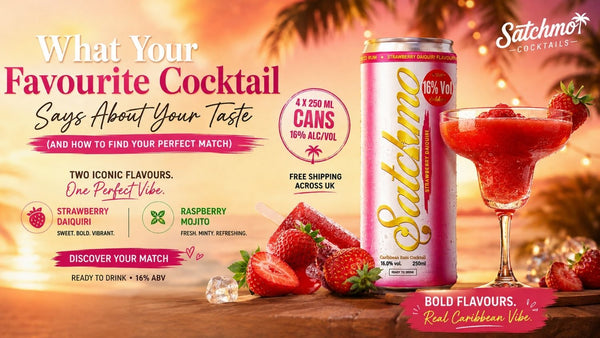
Satchmo fits that use case. Each can combines Caribbean rum, fruit-led flavour, and a bold 16% ABV. It gives you a ready-made cocktail without measuring, shaking, squeezing, or washing up.
You can also use both approaches. Serve a batched drink at the start, then keep chilled cans ready for later in the night.
Conclusion
Making cocktails at home does not require a large setup. Start with a few useful spirits, keep fresh citrus and simple mixers on hand, and learn the highball formula first.
White rum, vodka, gin, whiskey, soda water, cola, ginger beer, lemons, limes, and simple syrup will cover most beginner drinks. Add basic tools when you are ready, then build your skills with shaking, stirring, and proper garnishing.
For nights when you want the cocktail without the work, keep a Satchmo mixed pack chilled and ready.
Frequently Asked Questions
What are the best spirits to start a home bar with?
Start with white rum, vodka, gin, and whiskey. These four spirits cover many classic cocktails and simple mixed drinks. Choose mid-shelf bottles and add more only when you know what you like.
What can I use if I do not have a cocktail shaker?
Use a mason jar or any container with a tight-fitting lid. Add the ingredients and ice, seal it properly, and shake for 10 to 15 seconds. Strain through a fine kitchen sieve if needed.
What is the easiest cocktail to make with no equipment?
A Cuba Libre is one of the easiest. Fill a tall glass with ice, add one part white rum and two to three parts cola, then squeeze in fresh lime. Build it directly in the glass.
How do I make simple syrup at home?
Mix equal parts sugar and water until the sugar dissolves. You can stir it over low heat or shake it in a jar. Store it in the fridge and use it in cocktails that need sweetness.
Are canned cocktails as good as homemade cocktails?
A good canned cocktail can be a strong alternative when convenience matters. Homemade cocktails are useful when you want to control every ingredient, while ready-to-drink cocktails are better when you want consistency with no prep.
Ready to try Satchmo?
16% ABV. Real Caribbean rum. Bar-quality cocktails in a can — free delivery across the UK.